

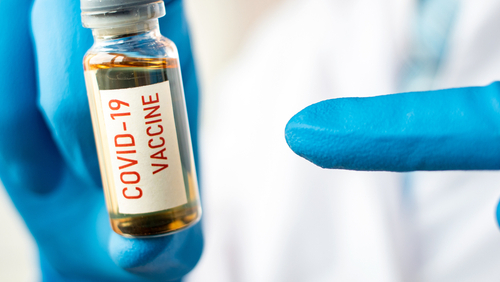
 While the pandemic is not over, we do have some good news. There are vaccines and they will be available soon. Here’s where we are in terms of an overall plan and where states are with distributing the vaccines.
Operation Warp Speed
The current administration has already purchased hundreds of millions of doses of several vaccine candidates. Two of them are from Moderna and Pfizer and they’ve shown significant efficacy in Phase 3 clinical trials. The incoming Biden administration will take on distribution and has established a COVID-19 Task Force. A limited number of doses may become available as early as December.
This document from the Center for Disease Control and Prevention (CDC) is the roadmap for state, territorial, tribal, and local public health programs and their partners. It focuses on how to plan and operationalize a vaccine response to the pandemic within their jurisdictions. It’s quite comprehensive and is a good reference for the coming months.
Phased Approach
In the Interim Playbook, the CDC has given states a set of planning assumptions by which they can develop their distribution plans and explains how the vaccine will likely be administered in phases.
- Phase 1 – there is an initial limited supply of vaccine doses that will be prioritized for certain groups. The distribution will be more tightly controlled and a limited number of providers will be administering the vaccine.
- Phase 2 – supply would increase and access will be expanded to include a broader set of the population, with more providers involved.
- Phase 3 – there would likely be sufficient supply to meet demand and distribution would be integrated into routine vaccination programs.
Common Themes and Concerns from State Plans
The Kaiser Family Foundation (KFF), a non-profit organization focusing on national health issues, sought to collect plans from all 50 states and DC. As of Nov. 13, they’ve reviewed 47 of these plans and have singled out key areas contained within each plan.
- Identifying priority populations for vaccination. Each state will determine who will be first in line, initially; however, every plan highlights the following categories as being the priority during Phase 1: healthcare workers, essential workers, and those at high risk (older people and those with pre-disposing health risk factors). A majority of states (25 of 47, or 53 percent) have at least one mention of incorporating racial and/or ethnic minorities or health equity considerations in their targeting of priority populations.
- Identifying the network of providers in their state will be responsible for administering vaccines. Even though states are at different points in the process, providers will likely include hospitals and doctors’ offices, pharmacies, health departments, federally qualified health centers, and other clinics that play a role in administering vaccines today. Given the need to quickly vaccinate most residents, additional partners will be needed, such as long-term care facilities, and will (potentially) set up public locations like schools and community centers for mass vaccinations.
- Developing the data collection and reporting systems needed to track the vaccine distribution progress. Many states are relying on (and often expanding) existing state-level immunization registries, while other states are developing new systems or using those provided by the federal government. To sum it up, each state is at a different stage in this process.
- Laying out a communications strategy for the period before and during vaccination. The CDC has asked states to design plans that anticipate and respond to different populations and include the need to address misinformation and vaccine hesitancy. Not surprisingly, some of these states’ plans are detailed while some are not.
All of these things are high-level summations of what is planned so far. For a more detailed explanation, check out the Interim Playbook from the CDC. The COVID-19 situation is ever-changing, but the most important takeaway is that steps are being put in place to help protect us all. Stay safe.
Sources
States Are Getting Ready to Distribute COVID-19 Vaccines. What Do Their Plans Tell Us So Far?
https://www.newsweek.com/fauci-optimistic-about-covid-19-vaccine-says-high-risk-could-get-it-december-1546384
https://www.cdc.gov/vaccines/imz-managers/downloads/COVID-19-Vaccination-Program-Interim_Playbook.pdf
 We’re living in unprecedented, challenging times. If you’re feeling stressed and scared, you’re not alone. However, there is a way to navigate through all of this uncertainty: gratitude. Studies have shown that keeping in mind the things you’re grateful for on a regular basis not only helps you mentally, but also physically, which is something we all need these days.
 Due to the uncertainty of COVID-19, many schools across America have transitioned to at-home learning. This alone presents a whole new set of challenges for parents, not the least of which is figuring out what to feed your kids for lunch – every single day of the week. While peanut butter and jelly is a reliable standby, here are some cheap, easy alternatives you can whip up in no time.
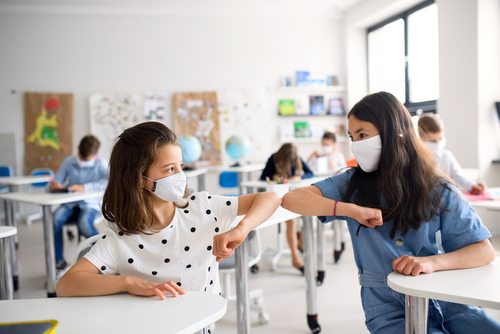 If you’re anxious about sending your children back to school, you’re not alone. In fact, a recent poll from
  The impact of COVID-19 has caused many Americans to suffer hardships, one of which is struggling to make ends meet. But take heart; there are solutions. Here are a few areas in which creditors are working with people to alleviate some of the stress.
 Due to the unprecedented effects of COVID-19, the line between our professional and personal lives has blurred. Trying to take care of job responsibilities from home requires new ways of navigating. Here are a few ideas to help you become more productive while working at home – and stay grounded in these uncertain times.
 During the government shutdown as a result of COVID-19, sadly, millions have lost their jobs. However, there is a silver lining: there are some industries that, because of the shutdown, are actually hiring. Here are a few leads to help those who might have been affected.
 The effect of the coronavirus on our lives is unprecedented. While we’re all sheltering in place while trying to manage our daily tasks, it’s undoubtedly taking a toll on us mentally, physically and financially. Here are some tips to help you weather this storm of economic uncertainty.
 These days, you can’t be too careful when it comes to investments. And if you’re older, you’re a prime target for fraudsters. That said, anyone of any age is vulnerable. Here are a few key things to keep in mind when you’re considering investing.
  For the most part, smartphones are your lifeline to the world. You connect with friends and family, shop and update your status on social media. However, you also store all your personal information on them and, these days, use them to do your banking. That’s why you need to take precautions. Here are a few critical things to do to make sure your information isn’t compromised.